
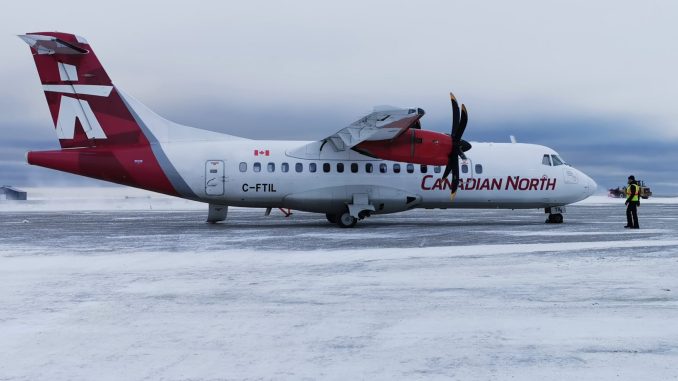
Current pilot duty times regulated by Transport Canada are meeting with pushback from several small airlines, most of which operate in Canada’s North. Citing unpredictable weather and other factors, the airlines want flexibility on how the limits are applied.
Current regulations, last updated in 2020 to align with international ICAO standards, set the limit at 13 hours. This needs flexibility, according to the Northern Air Transportation Association (NATA).
“What we’re asking is for the rules to be applied according to the size of the operator and the operations they carry out,” said NATA’s executive director Bernard Gervais. A one-size-fits-all approach cannot be applied to both airlines that operate in extremes conditions and those that operate in more normal environments, he says.
According to Gervais, NATA is not asking for longer duty limits, pointing out that the present 13-hour limit does not imply that a pilot would be permitted to conduct a 13-hour flight. According to the Canadian Aviation Regulations, pilot duty time is defined as “…the regulated span of time a pilot is on duty, starting from when they report for work until they finish their assigned tasks.” Gervais points out that standing by while waiting for unfavourable weather to pass may not necessarily be fatiguing for a pilot.

“In the case of remote communities, if those interruptions turn into flight cancellations rather than delays, there is a real impact,” Yellowknife-based Air North CEO Joe Sparling said. “If you have a medical travel passenger that’s going south for an appointment and the plane doesn’t get in and misses by a day, then their appointment has to be rescheduled.”
“You need to hear us when we say what’s being contemplated is potentially very unsafe,” pilot union president Tim Perry said. His union, ALPA Canada, represents over 10,000 pilots in Canada. “If one carrier gets an exemption, it will be seen as a competitive advantage. It would pave the way for further exemptions to be issued, and it would be difficult to know where to draw the line.”
Transport Canada’s proposal developed in response to NATA operators’ needs is awaiting final approval by the minister’s office.
Be the first to comment